
Industry · June 25, 2026 · 10 min read
How Social Media Is Changing the Professional Skiing Landscape
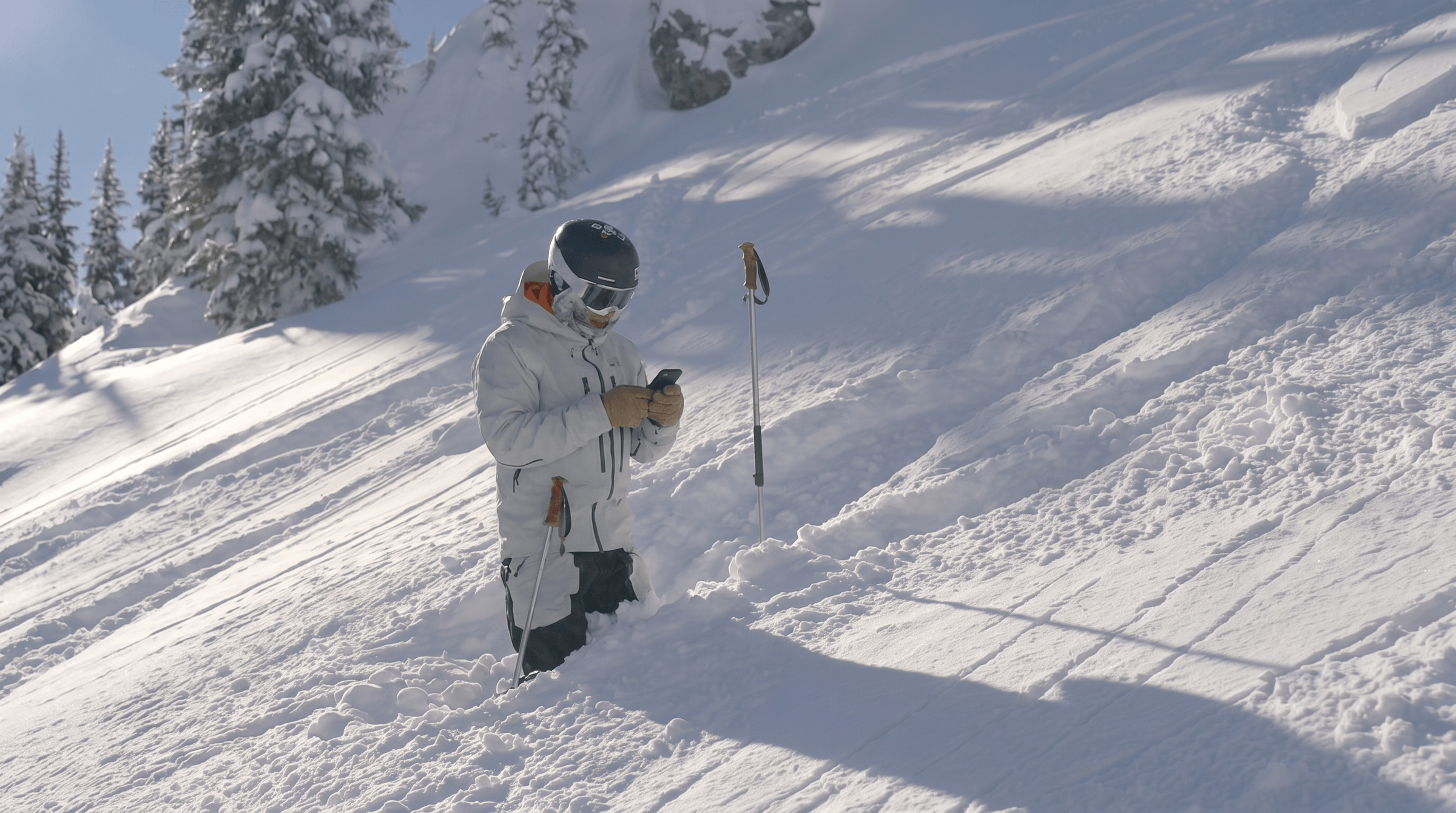
Professional skiing used to have a fairly clear career path. Win contests. Film a standout video part. Get noticed by a ski brand. Land a sponsor. Appear in magazines, movies, and maybe a few posters on shop walls. If everything went right, a skier could build a career through a mix of competition results, film segments, magazine coverage, and industry relationships.
That world still exists, but it no longer defines the whole sport. Today, professional skiing is being reshaped by social media. Instagram, TikTok, YouTube, and short-form video platforms have changed how athletes get discovered, how sponsors measure value, how fans follow the sport, and how skiers make a living. The modern pro skier is no longer just an athlete. They are also a media company, a creative director, a brand partner, and often their own distribution channel.
This shift has created new opportunities, but it has also introduced new pressures. Social media has opened the door for more skiers to build careers outside the traditional contest-and-film system. At the same time, it has blurred the line between performance and promotion, raising a difficult question for the ski industry: what does it mean to be a professional skier now?
The Old Gatekeepers Have Less Control
For years, ski media was controlled by a relatively small number of gatekeepers. Magazines decided who appeared in print. Film companies decided who earned a segment. Brands decided which athletes were worth putting in ads. Contests and tours provided visibility, but only for athletes who fit those formats.
Social media changed that system by giving athletes direct access to an audience. A skier no longer needs to wait for a magazine cover or a movie premiere to build a following. A creative clip filmed at a local hill can reach millions of people overnight. A technical rail trick, a huge backcountry line, a crash, a powder day, a gear breakdown, or a behind-the-scenes travel vlog can all become career-building media.
That has made skiing more democratic in some ways. Athletes from outside traditional power centers can get noticed. Women, younger athletes, urban skiers, backcountry riders, park skiers, adaptive athletes, and creators with unique personalities can build audiences without asking permission from the old industry channels. The result is a wider, messier, more diverse version of professional skiing.
Sponsorship Is No Longer Just About Results
Social media has transformed the sponsorship equation. In the past, an athlete's value was often tied to contest podiums, film parts, magazine exposure, and reputation within the core ski community. Those things still matter, especially in disciplines like alpine racing, freeride, and slopestyle. But brands now also care about reach, engagement, content quality, audience demographics, and posting consistency.
A skier with a large and loyal online audience can sometimes offer a brand more measurable value than a skier with better competition results but little digital presence. That does not mean the best skier always gets the biggest deal. It means sponsorship has become a hybrid of athletic credibility and media performance.
This can benefit athletes who understand storytelling. A skier who can produce strong video, write thoughtful captions, explain gear, bring fans into their process, and represent a brand authentically has more leverage than ever. But it also creates tension. Some athletes feel pressure to become influencers, even if they would rather focus on skiing. Others worry that style, progression, and mountain skill are being undervalued compared with follower counts.
The Rise of the Skier-Creator
The most successful modern athletes often operate like independent media brands. They film constantly. They edit on the road. They understand platform trends. They manage partnerships. They know how to turn a season into a content calendar and a personality into a business. They are not just waiting for a production company to tell their story. They are telling it themselves.
The skier-creator may compete, film, guide, coach, review gear, host trips, produce YouTube episodes, post short-form clips, collaborate with brands, and sell merchandise. Their income might come from a mix of sponsorship, affiliate links, appearances, coaching, content licensing, and direct audience support. That model gives athletes more independence — but it also means the job has expanded far beyond skiing.
A powder day is not just a powder day; it is potential content. A trip is not just a trip; it is a campaign. A new trick is not just a personal milestone; it is a post, a reel, a thumbnail, a hook, and a deliverable.
Social Media Has Changed What Fans Value
Traditional ski films were polished, seasonal, and aspirational. Social media is immediate. Fans can follow storms in real time, watch athletes travel, see failed attempts, learn about injuries, and get a more personal view of professional skiing. That intimacy has made athletes more relatable. Fans are not just watching performances; they are following people.
It has also shifted the type of content that performs. The most impressive skiing is not always the most viral skiing. A technically difficult line may matter deeply to core skiers but get less engagement than a funny lift-line clip or a dramatic crash. Short-form platforms reward immediacy, emotion, and clarity. The sport is now shaped not only by what is possible on snow, but by what the algorithm chooses to amplify.
Progression Is Being Accelerated
One of the biggest positives of social media is how quickly ideas spread. A new trick, line, edit style, training method, or gear setup can circulate across the global ski community almost instantly. Young skiers are studying clips frame by frame, watching athletes from Japan, Norway, Canada, France, Chile, and the United States in the same feed.
In park skiing, tricks evolve quickly because athletes can see what others are trying in real time. In freeride, line choice and technique are more visible than ever. In backcountry skiing, athletes share both inspiration and education. Social media has turned skiing into a global feedback loop. The best ideas travel quickly, and the next generation learns faster because of it.
The Risk of Chasing the Clip
The darker side is that social media rewards attention, and attention can reward risk. Skiing has always involved risk, especially in big-mountain, freeride, urban, and backcountry environments. But social platforms can intensify the pressure to capture something bigger, scarier, or more dramatic. A dangerous line, huge crash, or near miss can generate enormous engagement.
As social media lowers the barrier to publishing, it also allows risky behavior to spread without context. Viewers may see the final clip but not the years of experience, planning, snow assessment, or safety infrastructure behind it. This is especially concerning for younger athletes trying to break through. The industry has a responsibility here. Brands, athletes, media outlets, and platforms need to reward good decision-making, not just spectacle.
Brands Are Becoming Media Partners
For ski brands, social media has changed athlete relationships. A sponsored skier is no longer just someone who wears a logo. They are a content partner. Brands now expect athletes to produce assets, appear in product launches, create behind-the-scenes posts, tag gear, explain technology, and help drive community engagement.
But the relationship needs to be handled carefully. Audiences can spot forced promotion quickly. The best partnerships feel natural because the skier genuinely uses the product, understands it, and fits the brand's identity. In the social media era, authenticity is not a nice extra. It is the entire point.
Traditional Ski Media Still Matters
Social media has not killed traditional ski media. It has changed its role. Films, magazines, contests, and editorial outlets still provide credibility. A major video part still matters. A Freeride World Tour result, X Games medal, World Cup podium, or standout film project still carries weight. Long-form storytelling can give depth that short-form platforms often cannot.
The future is not traditional media versus social media. It is layered media: short-form clips for discovery, long-form projects for depth, contests for stakes, and direct athlete channels for ongoing connection.
The New Definition of a Professional Skier
Social media has expanded the definition of professional skiing. A pro skier can be a contest athlete, a film skier, a mountaineer, a creator, a coach, a guide, a gear reviewer, a storyteller, or some combination of all of those. There is no longer one accepted route to legitimacy.
That is exciting. It means more people can build meaningful careers around skiing. It means athletes can show personality, values, creativity, and community impact alongside performance. But it also means the industry needs better ways to evaluate value. The most durable careers will likely belong to athletes who combine skill, credibility, consistency, creativity, and trust.
Professional skiing is still about what happens on snow. Social media has not changed that. But it has changed everything around it: how careers start, how money flows, how stories are told, and how fans decide who matters. The mountain is still the stage. The difference is that now, every skier carries a broadcast network in their pocket.